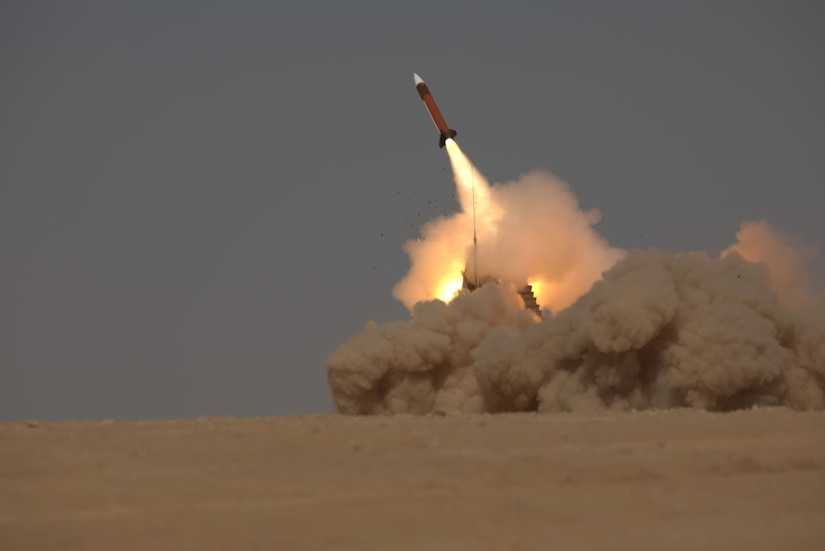
“Integrated air and missile defense” (IAMD) is a way of tying together many different air‑ and missile‑defense tools—radars and other sensors, command‑and‑control computers, and weapons like fighter jets and interceptor missiles—so they work as a single, layered system instead of as separate pieces.
How it works in simple terms:
U.S. joint doctrine defines IAMD as integrating capabilities and overlapping operations to defend the homeland and U.S. interests and protect forces by denying an adversary effective use of air and missile threats. The new Qatar cell is meant to improve that kind of integrated, shared picture and response across multiple countries in the region.
Al Udeid Air Base is in Qatar, in the desert southwest of the capital, Doha. It is strategically important because:
Public reporting and the official CENTCOM release describe the new cell as being staffed by the United States and unspecified “regional partners,” but they do not clearly list which countries are participating. Media coverage says it involves Gulf states operating within the existing 17‑nation Combined Air Operations Center at Al Udeid, but does not provide an authoritative, publicly confirmed roster of partner countries for this specific cell.
U.S. Central Command (CENTCOM) is the U.S. military’s geographic command responsible for a large region stretching from Northeast Africa, across the Middle East, to Central and South Asia. Its core responsibilities in this region include:
The new coordination cell (the Middle Eastern Air Defense – Combined Defense Operations Cell, or MEAD‑CDOC) changes day‑to‑day air and missile defense by creating a permanent, shared workspace inside the existing Combined Air Operations Center where U.S. and regional officers sit together to:
CENTCOM and Air Forces Central describe it as a way to improve how regional forces coordinate and share air and missile defense responsibilities across the Middle East on a continuous, everyday basis, not just during crises.
Available information indicates this cell is mainly an organizational and coordination change, not a formal announcement of new U.S. combat units or major force increases.
CENTCOM’s release frames MEAD‑CDOC as a new coordination cell inside the existing CAOC at Al Udeid, staffed by U.S. and regional personnel already operating there, and does not announce additional troop deployments or new weapon systems. Defense analysts quoted in independent reporting describe it as a long‑planned step toward better regional integration and deterrence, rather than a signal of imminent U.S. offensive action or a large shift in force levels—though it does reflect an ongoing U.S. focus on missile and drone threats from actors like Iran.